Compare Local Contractors for Workshop Construction Projects
Compare local contractors for workshop construction to define scope, verify experience, and set clear expectations, ensuring a successful project tailored to your needs.
Workshop construction services typically encompass a range of tasks related to designing and building functional spaces dedicated to repair, fabrication, or assembly activities. This work often involves site preparation, foundation work, framing, electrical and plumbing installations, and finishing details tailored to the specific needs of a workshop environment. Whether creating a new structure or modifying an existing space, contractors focus on building a durable, safe, and efficient area that supports various tools and equipment. Understanding the scope of work helps property owners communicate their needs clearly and ensures that contractors can deliver a solution aligned with the intended use of the workshop.
Defining the scope of a workshop construction project is a crucial step that influences the success of the entire process. Clearly outlining the desired features, size, layout, and specific requirements helps prevent misunderstandings and scope creep. Property owners should consider aspects like ventilation, lighting, electrical capacity, and storage needs when discussing project details. Documenting these specifications in writing provides a reference point for both parties, facilitating transparent communication and setting realistic expectations. A well-defined scope also assists in comparing service providers based on their ability to meet the outlined requirements.
When evaluating local contractors for workshop construction, property owners should consider their experience with similar projects and their familiarity with local building codes and regulations. It’s beneficial to review each contractor’s portfolio or references to gauge their capability and quality of work. Comparing how different service providers approach project scope, communication, and planning can reveal their level of professionalism and reliability. Asking questions about their process for handling project details and how they ensure alignment with client expectations can support informed decision-making. Ultimately, selecting a contractor who demonstrates clear understanding and responsiveness can lead to a smoother construction process that meets the specific needs of the workshop.
Compare local contractors by outlining project priorities, verifying experience, and clearly defining scope and expectations in writing.
- Define Project Scope - Clearly outline the work requirements and specifications with service providers to ensure mutual understanding.
- Verify Experience and References - Assess the background and past projects of local contractors to confirm their expertise in workshop construction.
- Compare Service Providers - Evaluate multiple local contractors based on their offerings, credentials, and reputation to make informed choices.
- Document Agreements in Writing - Ensure all project details, expectations, and responsibilities are documented to prevent misunderstandings.

Clearly describe your workshop project before comparing local contractors to ensure accurate scope definition and expectations.
- Verify experience in workshop construction to ensure familiarity with similar projects. - Check that service providers have a clear understanding of your scope and specific requirements.
- Compare credentials and references to assess the reliability and quality of previous work. - Ensure contractors can demonstrate a history of successful workshop builds.
- Discuss project scope in detail and request a written outline of the work to set clear expectations. - Clarify what is included and excluded in the construction process.
- Review the contractor’s process for handling permits, inspections, and code compliance. - Confirm that the service provider is knowledgeable about local building regulations.
- Assess communication practices to ensure timely and transparent updates throughout the project. - Choose contractors who prioritize clear and consistent communication.
- Request detailed written agreements that specify the scope, materials, and responsibilities of each party. - Ensure all project details are documented to prevent misunderstandings.
Use this to compare contractors, clarify scope, verify experience, and set clear expectations in writing.

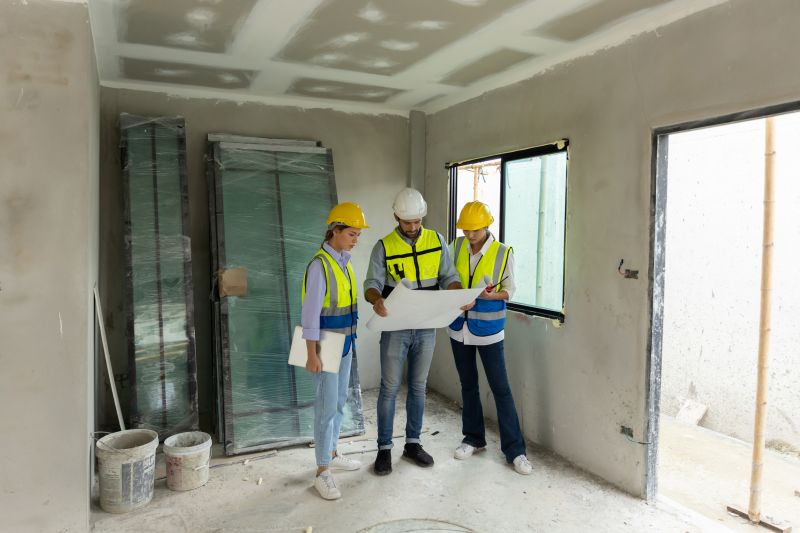


Use clear, consistent comparisons of scope, experience, and written expectations to evaluate local contractors effectively.
- Define project scope - clearly outline the size, purpose, and specific features of the workshop to guide the construction process.
- Verify experience and expertise - assess the background of local contractors to ensure they have relevant experience with workshop construction.
- Establish design and material preferences - specify preferred building styles, materials, and finishes to align expectations with service providers.
- Determine scope of work in writing - document all project details, responsibilities, and deliverables to prevent misunderstandings.
- Compare credentials and references - review the qualifications and past work of local contractors to identify reliable service providers.
When evaluating contractors for workshop construction, it’s important to consider their experience with projects similar in scope and complexity. Service providers with a proven track record of completing workshop builds comparable in size, design, or function are more likely to understand the specific requirements and challenges involved. Inquire about past projects that align with the envisioned workshop to gauge their familiarity with the construction process, materials, and any specialized features you may want to include. This background can provide confidence that the contractor has relevant expertise to handle your project effectively.
A clearly written scope of work is essential for ensuring mutual understanding between the homeowner and the contractor. When comparing service providers, look for detailed descriptions of the work to be performed, including materials, dimensions, and specific tasks involved. A comprehensive scope helps prevent misunderstandings and sets clear expectations for what the project will entail. It also provides a basis for evaluating the thoroughness and professionalism of each contractor’s proposal, making it easier to identify those who prioritize clarity and transparency.
Verifying a contractor’s basic qualifications involves reviewing their process for confirming experience and project history. Ask how they document their past work, such as project lists, references, or portfolios, to verify their claims of expertise. It’s also helpful to understand their approach to quality assurance, including how they handle unforeseen issues or changes during construction. Ensuring that a service provider has a solid foundation for project oversight can contribute to a smoother construction process and reduce potential misunderstandings.
When comparing options for workshop construction, focus on how each contractor approaches the project scope, communication, and their overall methodology. Consider the level of detail provided in their proposals, their responsiveness to questions, and their willingness to clarify expectations in writing. Evaluating these aspects can help identify service providers who prioritize transparency and professionalism. This approach ensures that the chosen contractor will work collaboratively and clearly, aligning with the homeowner’s needs and expectations throughout the project.
Ask contractors to provide written scope details to ensure clear expectations and consistent project understanding.
- Experience and Portfolio - What types of workshop projects have local contractors completed successfully?
- Scope Definition - How do contractors clarify the specific work included and excluded in the project scope?
- Comparison of Services - What services and construction methods do different local contractors offer for workshop building?
- Project Expectations - How do contractors document the scope, materials, and responsibilities in writing?
- Specialization and Expertise - Do local service providers have experience with the specific design or features desired for the workshop?
What should I consider when choosing a contractor for workshop construction? It's important to compare local contractors based on their experience, reputation, and the scope of services they offer to ensure they meet project requirements.
How can I verify a contractor’s experience in workshop construction? You can review their past projects, request references, and check for any relevant work history to assess their expertise in building workshops.
What details should be included in a written scope of work? A comprehensive scope should specify project size, materials, design specifications, and any specific features or requirements for the workshop.
Why is it important to compare multiple contractors? Comparing different service providers helps identify those with suitable experience, clear communication, and the ability to meet project expectations effectively.
How can I ensure a contractor understands my workshop project needs? Clearly communicate your project goals, provide detailed descriptions, and request written confirmation of the scope and expectations from the contractor.
What questions should I ask a contractor before hiring for workshop construction? Ask about their experience with similar projects, how they handle project scope, and how they communicate progress and changes during construction.
By reviewing the information provided, visitors can better understand how to evaluate workshop construction contractors, including defining project scope, verifying experience, and setting clear expectations in writing. This approach helps ensure that choices are well-informed and aligned with specific project needs. Using the quote form allows for straightforward comparison of local service providers, making it easier to connect with those best suited for the job.
Taking advantage of the quote form enables visitors to explore and compare a range of local contractors specializing in workshop construction. This process supports making knowledgeable decisions based on scope, experience, and communication preferences, helping to identify the service providers most capable of handling the project requirements.